Overview
Katavi National Park
Tanzania’s third largest national park; it lies in the remote area southwest of the country, within a truncated arm of the Rift Valley that terminates in the shallow, brooding expanse of Lake Rukwa. The wilderness of Katavi National Park, located in the western area of Tanzania, is one of the most untouched areas in the entire country.
About Katavi National Park
Katavi National Park is one of Tanzania's most remote and least visited parks, offering an unspoiled and authentic safari experience. The park is known for its large herds of buffaloes and elephants, as well as its lion and hippo populations.
The park's diverse habitats include grasslands, woodlands, and floodplains, supporting a wide range of species. The park is particularly famous for its dramatic concentrations of hippos and crocodiles in the dry season. The Katuma River and seasonal lakes are the park's lifelines, attracting wildlife during the dry season. Visitors can enjoy game drives, walking safaris, and bird watching in this pristine wilderness.
Accommodation options are limited, with only a few lodges and campsites available. The best time to visit is during the dry season, from June to October, when wildlife congregates around water sources.
When to Visit
Katavi National Park can be visited all year round. During the drier months (May to October and December to February), the animals congregate around the remaining water bodies and can be reached easily. During the wetter months, the extensive wetlands offer splendid scenery to adventurous visitors.
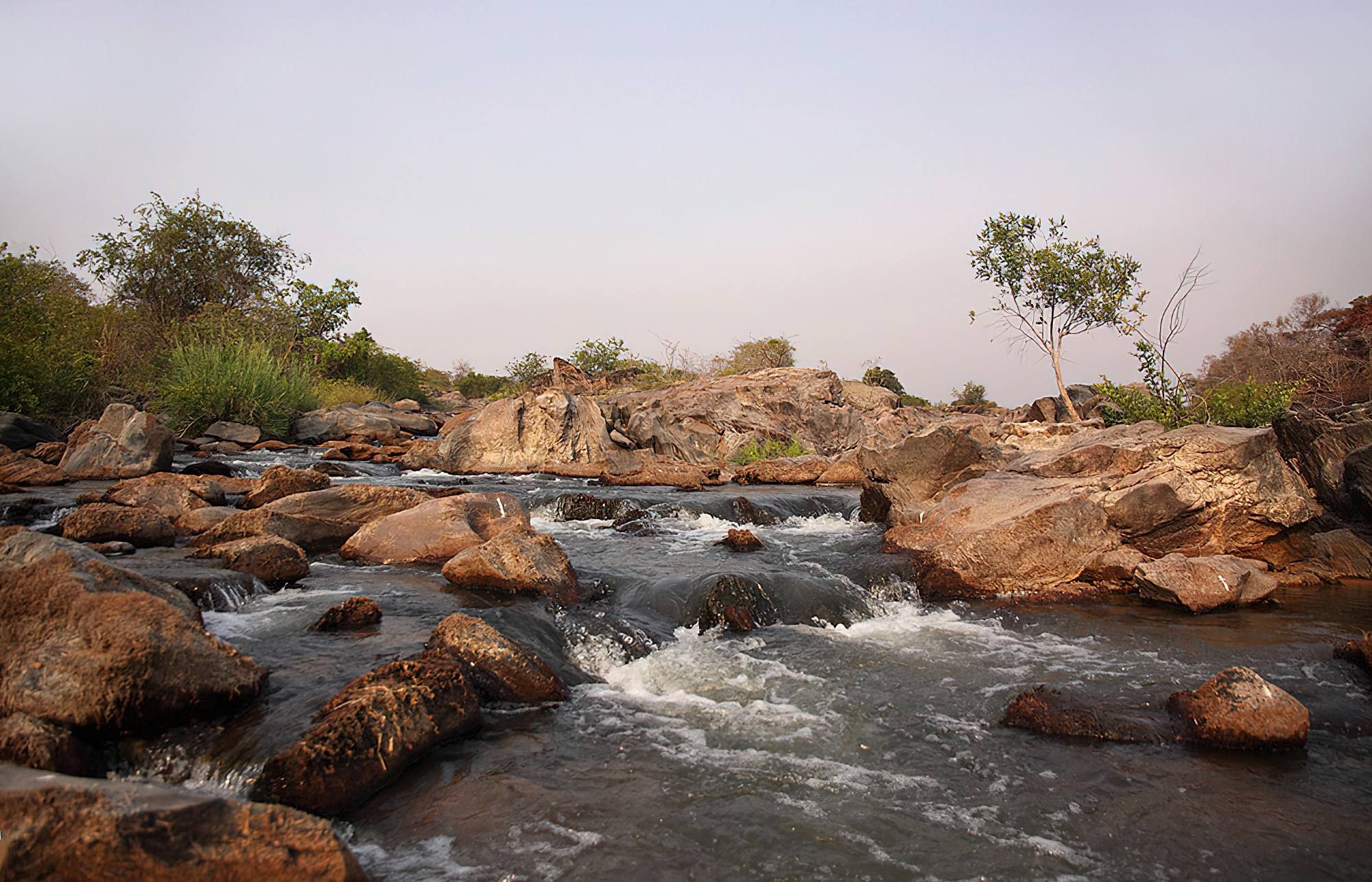
It is during the dry season, when the floodwaters retreat, that Katavi truly comes into life. The Katuma, reduced to a shallow muddy trickle, forms the only source of drinking water for miles around, and the flanking floodplains support game concentrations that defy belief. An estimated 4,000 elephants might converge on the area, together with several herds of 1,000-plus buffalo, while an abundance of giraffes, zebras, impalas and reedbucks provide easy pickings for the numerous lion prides and spotted hyena clans whose territories converge on the floodplains.
Peak Season
May to October and December to February
Wet Season
November to May
Activities & Experiences