Overview
Kilimanjaro National Park
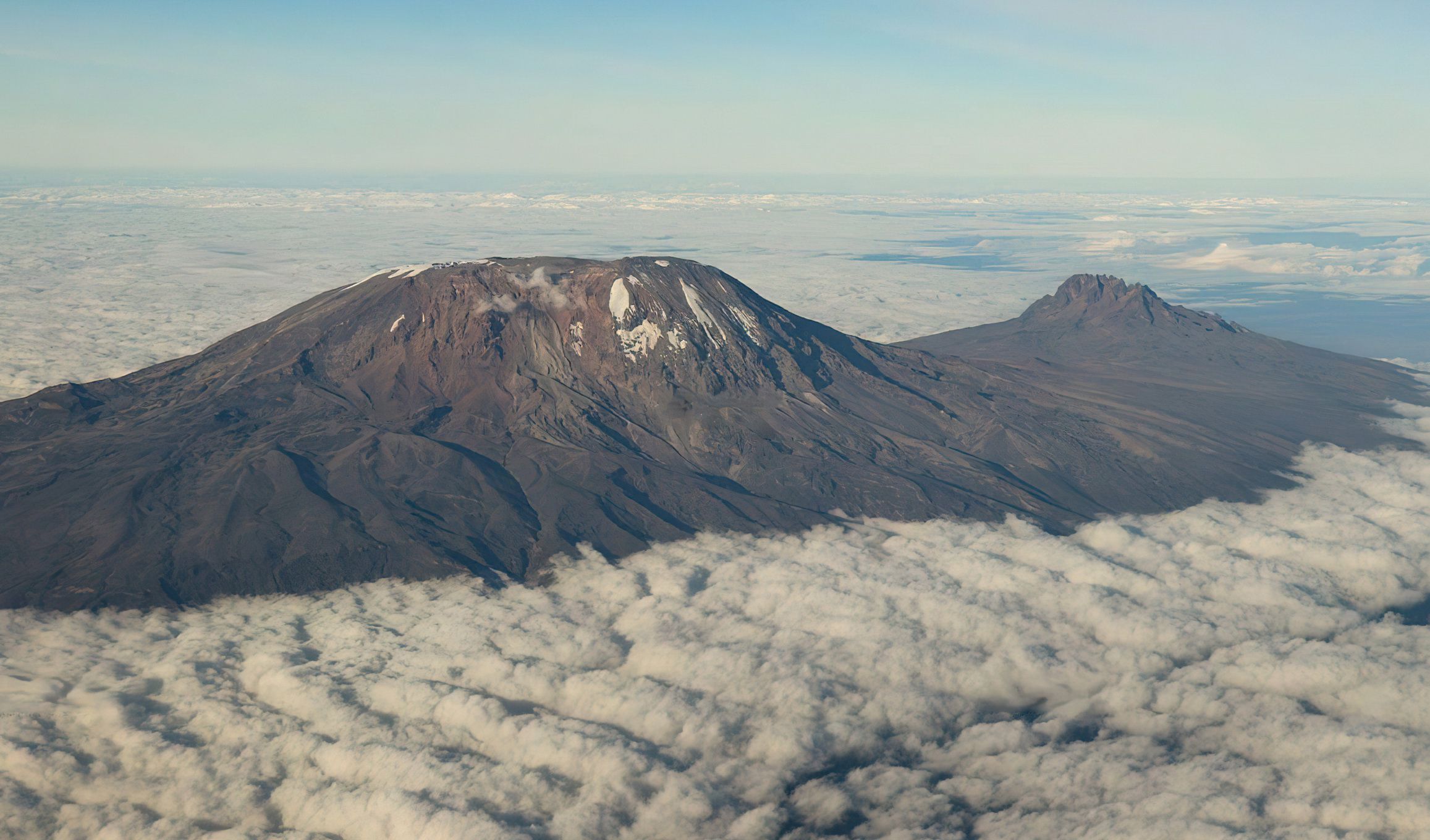
Kilimanjaro National Park is home to Africa’s highest peak, Mount Kilimanjaro, a freestanding volcanic giant that rises majestically above the plains of northern Tanzania. The park protects a remarkable range of ecosystems, from dense montane forests filled with wildlife to alpine deserts and the iconic snow-capped summit of Uhuru Peak.
Key Highlights
Mount Kilimanjaro
At the heart of the park stands Mount Kilimanjaro, Africa’s highest peak and the tallest free-standing mountain in the world. Its snow-capped summit, Uhuru Peak, rises to 5,895 meters and attracts climbers from across the globe.
Diverse Climatic Zones
The park offers an extraordinary journey through multiple ecological zones in just a few days. Trekkers pass from lush rainforest filled with wildlife to heath and moorland, then alpine desert, and finally the icy arctic summit.
Scenic Trekking Routes
Kilimanjaro features several established routes, each offering a unique perspective of the mountain. The Machame route is known for its scenic beauty, while the Marangu route provides hut accommodations, and the Lemosho route offers quieter, more gradual ascents.
Wildlife and Forest Beauty
While the summit is the main attraction, the lower slopes are rich in biodiversity. The montane forest is home to colobus monkeys, blue monkeys, and a variety of bird species.
About Kilimanjaro National Park
Kilimanjaro National Park encompasses the iconic Mount Kilimanjaro, Africa's tallest mountain. The park attracts thousands of climbers and trekkers each year, seeking to conquer its snowy summit.
The park's diverse ecosystems range from tropical rainforests at the base, through alpine meadows, to the arctic conditions near the summit. Along the way, trekkers can encounter unique flora and fauna.
There are several routes to the summit, each offering different experiences and varying levels of difficulty. Popular routes include the Marangu, Machame, and Lemosho routes.
Reaching the summit, Uhuru Peak, provides a sense of achievement and breathtaking views of the surrounding landscape. The best time to climb is during the dry seasons, from June to October and January to March.
When to Visit
The best time to climb Mount Kilimanjaro is during the dry seasons, from June to October and January to March. These months provide the clearest and most stable weather conditions, reducing the risks associated with trekking and improving the chances of a successful summit.
While it is possible to climb Kilimanjaro during the rainy seasons of April to May and November to December, the trails can be slippery and visibility reduced, making the climb more challenging. However, the mountain is less crowded during these times, offering a more solitary experience.
Peak Season
June to October and January to March.
Wet Season
April to May and November to December
Activities & Experiences