
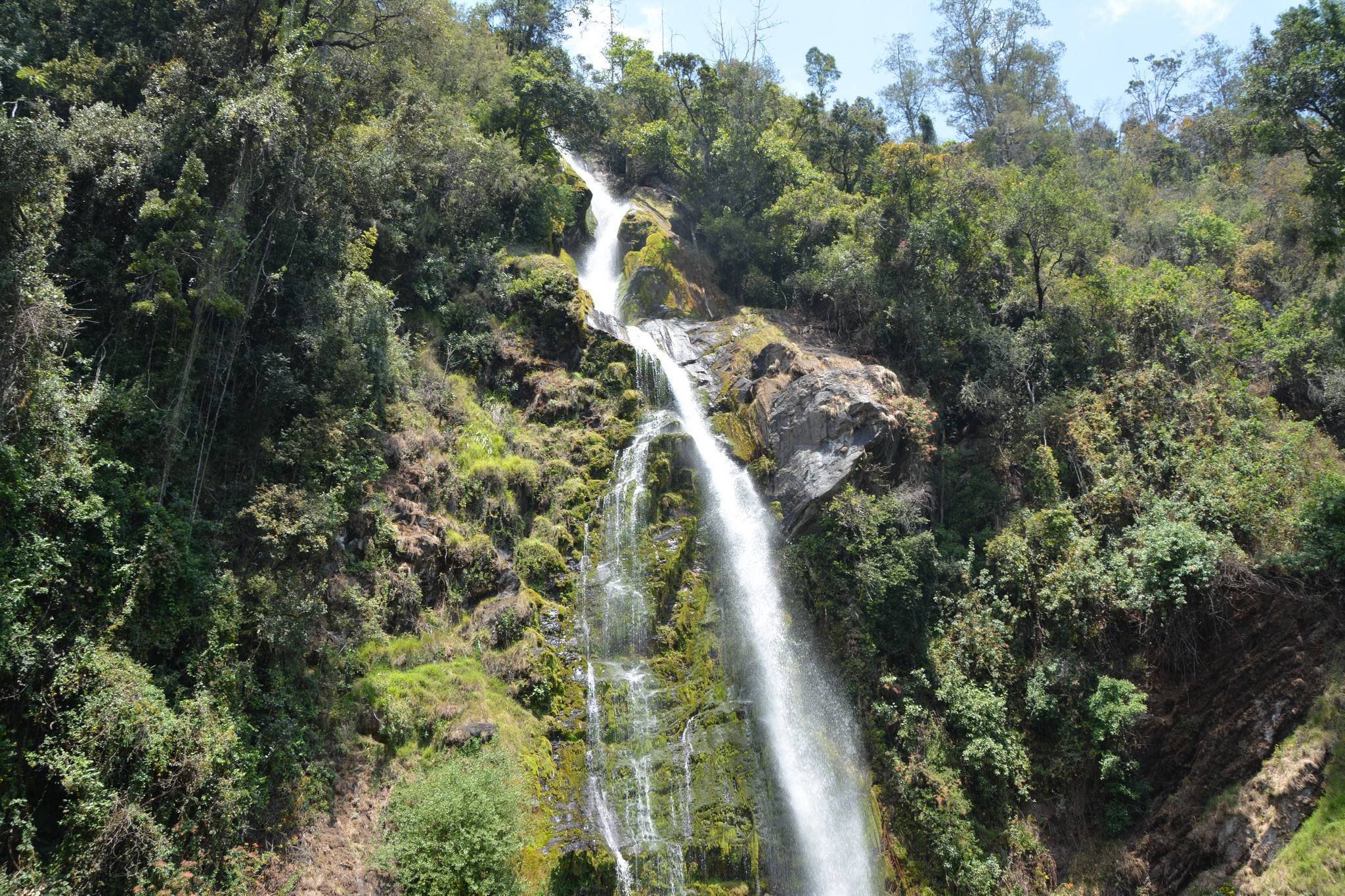
Overview
Kitulo National Park
Kitulo National Park, also known as the Garden of God, is a unique destination in southern Tanzania. It is renowned for its stunning wildflower displays, particularly during the rainy season.
Key Highlights
Botanical Wonder
The park is the first in tropical Africa established specifically to protect flora. Between November and April, the montane grasslands burst into a riotous display of wildflowers, including lilies, daisies, and orchids.
Birdwatcher's Paradise
It is home to rare species, including the endangered blue swallow, Denham’s bustard, mountain marsh widow, Njombe cisticola, and Kipengere seedeater. It also serves as a resting site for migratory birds like the European white stork.
Hiking and Scenery
Trails offer stunning views of the Kipengere, Poroto, and Livingstone Mountains. Hikes lead through "God's Garden," featuring beautiful flower fields, with options for challenging treks to Mtorwi Peak, the highest point in the park.
Unique Wildlife & Fauna
Beyond flowers, the park is home to the rare Kipunji monkey (discovered in 2005), mountain reedbucks, and elands. It also hosts unique chameleons, lizards, and butterflies.
About Kitulo National Park
Locals refer to the Kitulo Plateau as Bustani ya Mungu – The Garden of God – whereas botanists have dubbed it the Serengeti of Flowers, host to ‘one of the great floral spectacles of the world’, and only of its kind in Africa where wild flowers, birds and harmonious grass eating mammals are dominating.
Kitulo is indeed a rare botanical marvel, home to wildflowers for six months of the year, from November to April. There is a documented 350 species of wild flowers including lilies and fields of daisies. 45 endemic orchid species are found only in the park than any other part of the world, from June to August the entire park is foggy with no visibility during the daytime, and it is hardly possible to view its beauties.
Perched at around 2,600 metres (8,500 ft) between the rugged peaks of the Kipengere, Poroto and Livingstone Mountains, the well-watered volcanic soils of Kitulo support the largest and the most important montane grassland community in Tanzania.
Although sparse in big game, this natural botanical garden is highly alluring to bird watchers who thrill to sightings of rare Denham’s bustard, the endangered blue swallow, mountain marsh widow, Njombe cisticola and Kipengere seedeater.
Endemic species of butterfly, chameleon, lizard and frog further enhance the biological wealth of God’s Garden. Unique and the only of its kind in Africa for natural orchids and birds, this park has been gazetted last year set for tourists.
Creation of the park
Protection of the Kitulo Plateau's unique flora was first proposed by the Wildlife Conservation Society (WCS), in response to the growing international trade in orchid tubers and increased hunting and logging activities in the surrounding forests. In 2002, President Benjamin Mkapa announced the establishment of the park. The park was formally gazetted in 2005, becoming Tanzania's fourteenth national park. TANAPA has stated that the park could be expanded in the future to include the neighbouring Mount Rungwe forest.
When to Visit
The best time to visit Kitulo National Park is during the rainy season, from November to April, when the wildflowers are in full bloom. This period offers spectacular displays of orchids, lilies, and other wildflowers, creating a colorful and vibrant landscape. It is also the best time for botanists and nature enthusiasts to explore the park.
While the dry season, from May to October, offers clearer skies and more accessible trails for hiking, the landscape may not be as lush and colorful as during the rainy season. However, this period can still be enjoyable for those interested in exploring the park's diverse habitats and scenic beauty.
Peak Season
From May to October
Wet Season
From November to April
Activities & Experiences