Spirit of Africa Safari
Climbing Kilimanjaro
The Roof of Africa - where five ecosystems meet the sky at 5,895 metres.
The Roof of Africa
Mount
Kilimanjaro
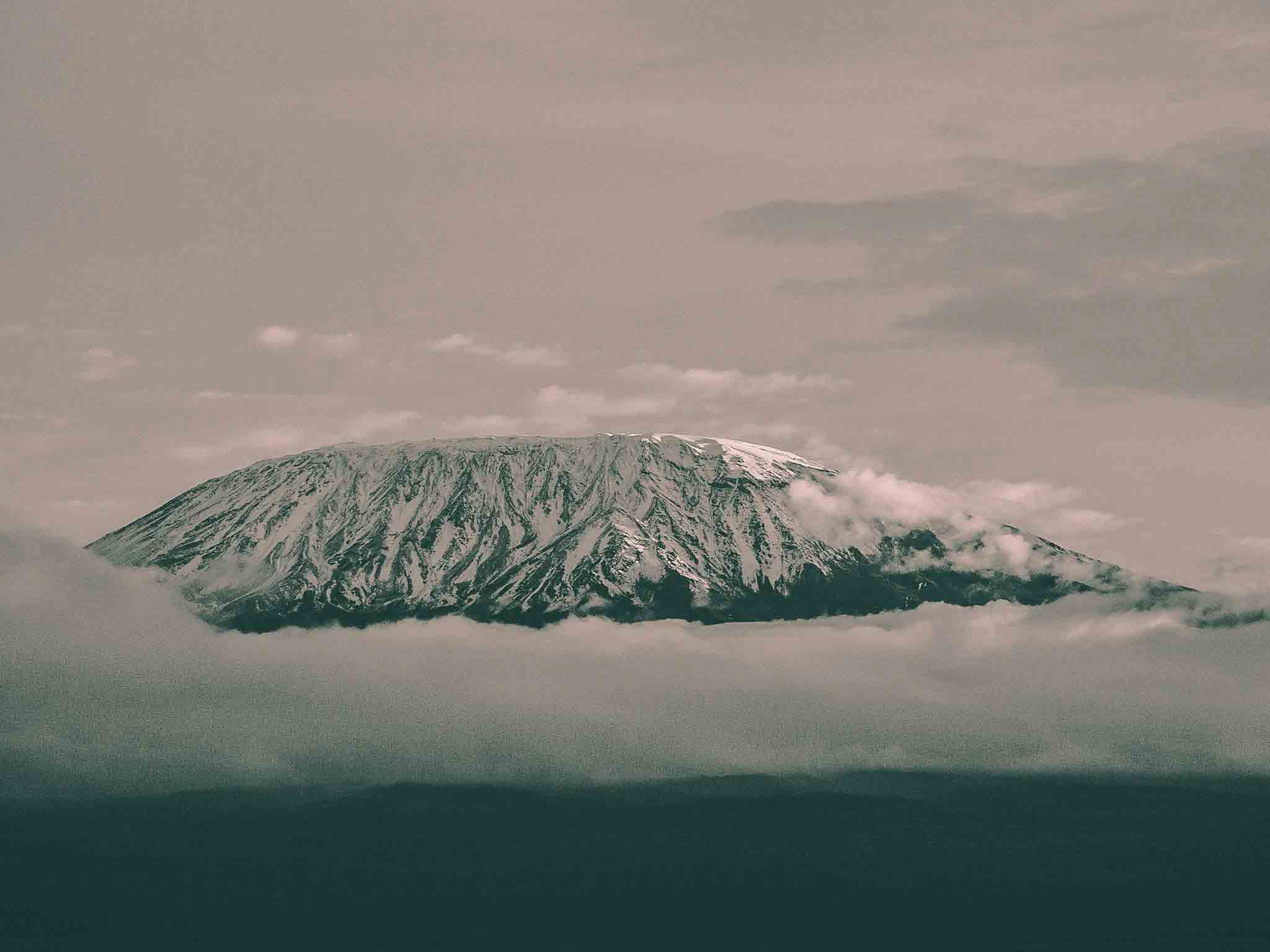
Mount Kilimanjaro, the highest peak in Africa and the tallest free-standing mountain in the world, stands as a beacon for adventurers and nature lovers alike. Rising to 5,895 metres (19,341 feet) above sea level, this iconic mountain offers an unparalleled trekking experience — combining challenging ascents, five distinct ecosystems, and breathtaking views.
Throughout the journey, trekkers can expect long days of hiking, often starting before dawn on summit day to reach Uhuru Peak at sunrise. Proper acclimatization, hydration, and pacing are crucial for a successful ascent.
5,895 m
Elevation
5 Routes
To Summit
5 Zones
Ecosystems
Routes to the Summit
Kilimanjaro offers several distinct routes to its summit, each providing unique landscapes and varying levels of difficulty.
Marangu Route
The Coca-Cola Route
The oldest and most established path, featuring hut accommodations. Considered one of the easier routes, though it has a lower success rate due to its rapid ascent.
Machame Route
The Whiskey Route
Popular for its scenic beauty and higher success rate. More challenging than Marangu but offers diverse landscapes and longer acclimatization periods.
Lemosho Route
Western Approach
Starting from the western side, Lemosho is less crowded with stunning panoramic views. It joins Machame at Shira Plateau and provides excellent acclimatization.
Rongai Route
Northern Approach
Approaching from the north near the Kenyan border, Rongai is less frequented and provides a quieter trek with a high success rate.
Northern Circuit
The Grand Traverse
The longest route, offering a 360-degree journey around the mountain with maximum acclimatization — ideal for an immersive, leisurely experience.
What to Expect on the Trek
Rainforest Zone
The trek begins in lush, tropical rainforests filled with diverse flora and fauna. Humid and vibrant, with potential wildlife sightings including monkeys and exotic birds.
Heather & Moorland Zone
The forest gives way to heath and moorland with giant heathers and unique flora like the endemic giant groundsels. Terrain becomes rockier and the climate cooler.
Alpine Desert Zone
The landscape transforms into a barren, lunar-like desert with sparse vegetation. Temperature varies drastically between day and night at this altitude.
Arctic Zone
The final push to the summit passes glaciers, ice fields, and the iconic snow-capped peak. Air is thin and cold — the most demanding stretch of the journey.
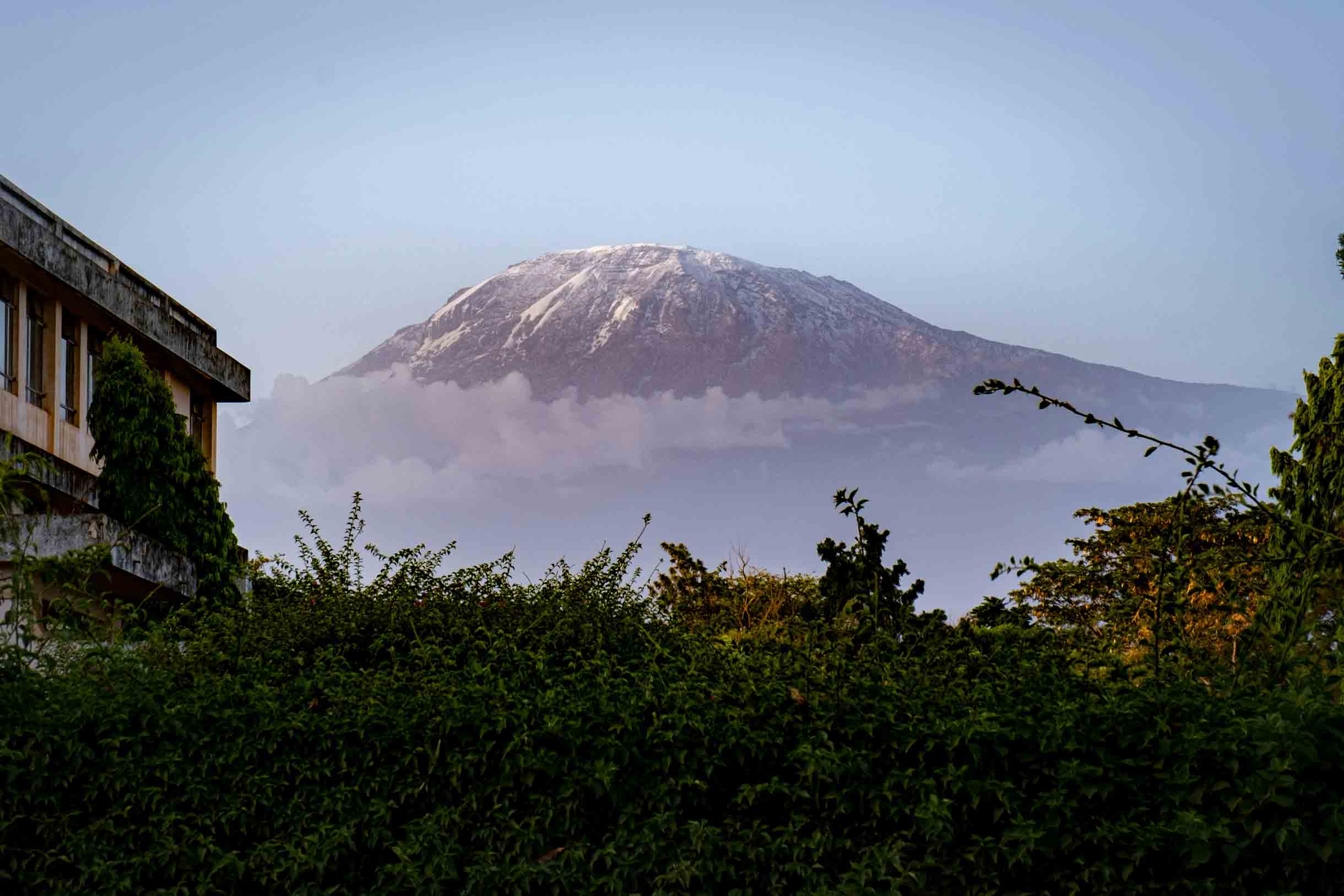
Uhuru Peak · 5,895 m
Prepare for the Ascent
Our Trekking
Packing List
Gear is everything at altitude. Our carefully curated list ensures you're fully equipped for Tanzania's demanding mountain terrain.