
Habitat
savanna
Weight
120 to 225 kg
Population
14,000 - 17,000
Diet
carnivore
Lifespan
10 - 16 years
Scientific Name
Panthera Leo
IUCN Status
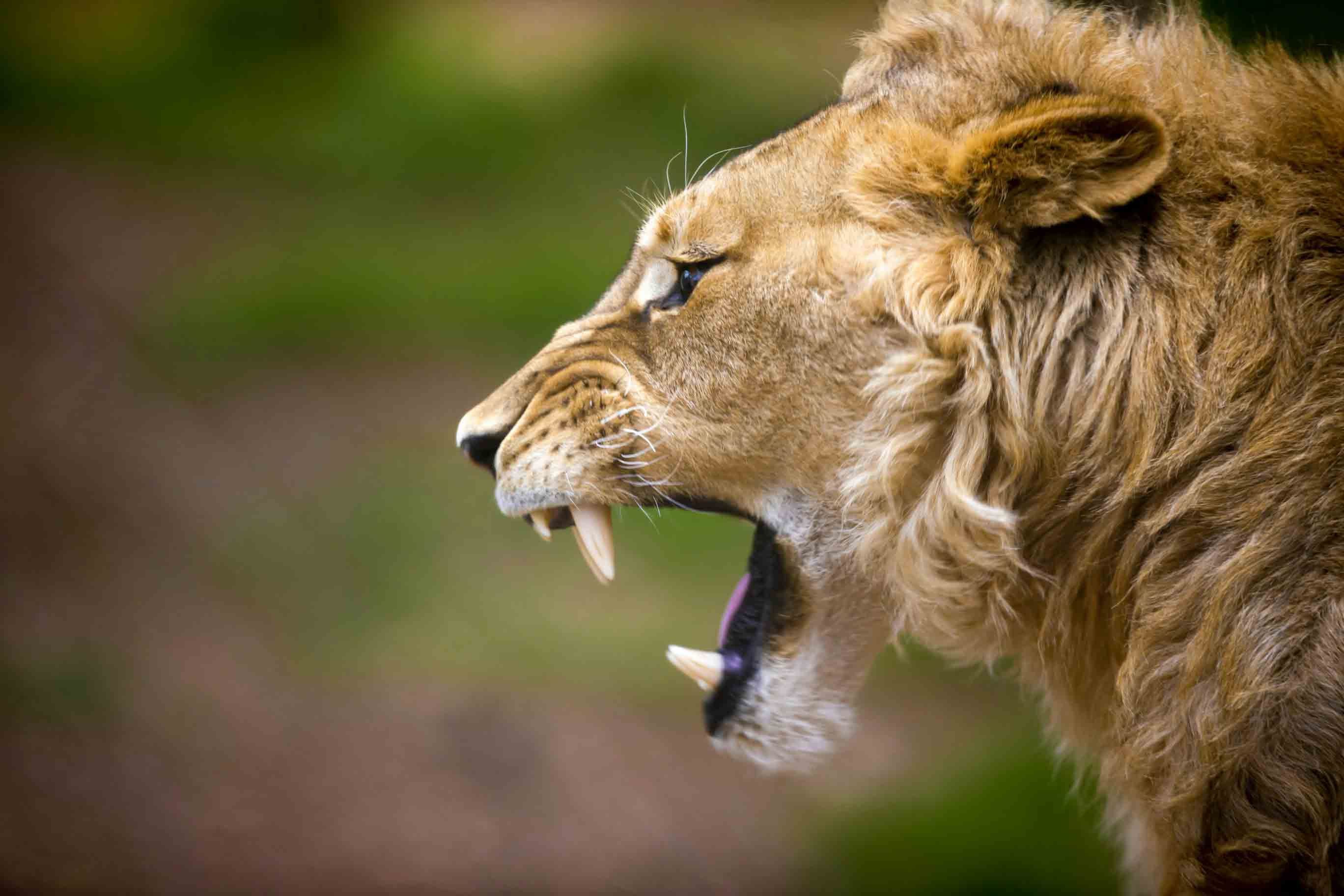
VU · VulnerableThe lion, Africa’s largest cat, is a formidable predator. Working together, a pride may down prey as large as buffalo and giraffe. Prides vary in size from fewer than 10 to more than 30 individuals. Each typically comprises adult females with cubs and yearlings, plus one or two adult males.
Distinguished by their heavy mane and greater size, males devote much of their energy to securing territory – advertised with a far-carrying roar (a series of resonant grunts). Females do more of the hunting but leave the pride to give birth, their litter of 1–4 cubs being vulnerable to attack from interloping males.
Though often seen by day, typically resting in the shade, lions are more active at night.
Top tips for viewing leopards in Tanzania
Top tips for viewing lions
Lions are most easily seen in open terrain, such as the Serengeti-Mara. In denser habitat, you may find tracks and hear roars but locating the cats can take more work.
Tanzania has nearly half Africa’s lions. Significant numbers also occur in the Okavango/Chobe (Botswana) and Greater Kruger (South Africa), while Hwange (Zimbabwe), South Luangwa (Zambia) and Etosha (Namibia) all offer reliable viewing. Circling vultures often reveal lions on a kill.
A pride spends much of the day snoozing but may become more active as temperatures fall. Night drives offer a chance to watch lions hunting, and the great Serengeti migration promises kills galore. No lion experience is more thrilling than tracking them on foot, with South Luangwa and the Zambezi Valley offering outstanding opportunities.