Overview
Serengeti National Park
The Serengeti National Park is one of the most famous wildlife reserves in the world, known for its annual Great Migration. Each year, over a million wildebeest and hundreds of thousands of zebras and gazelles traverse its plains in search of fresh grazing.
Key Highlights
The Great Migration
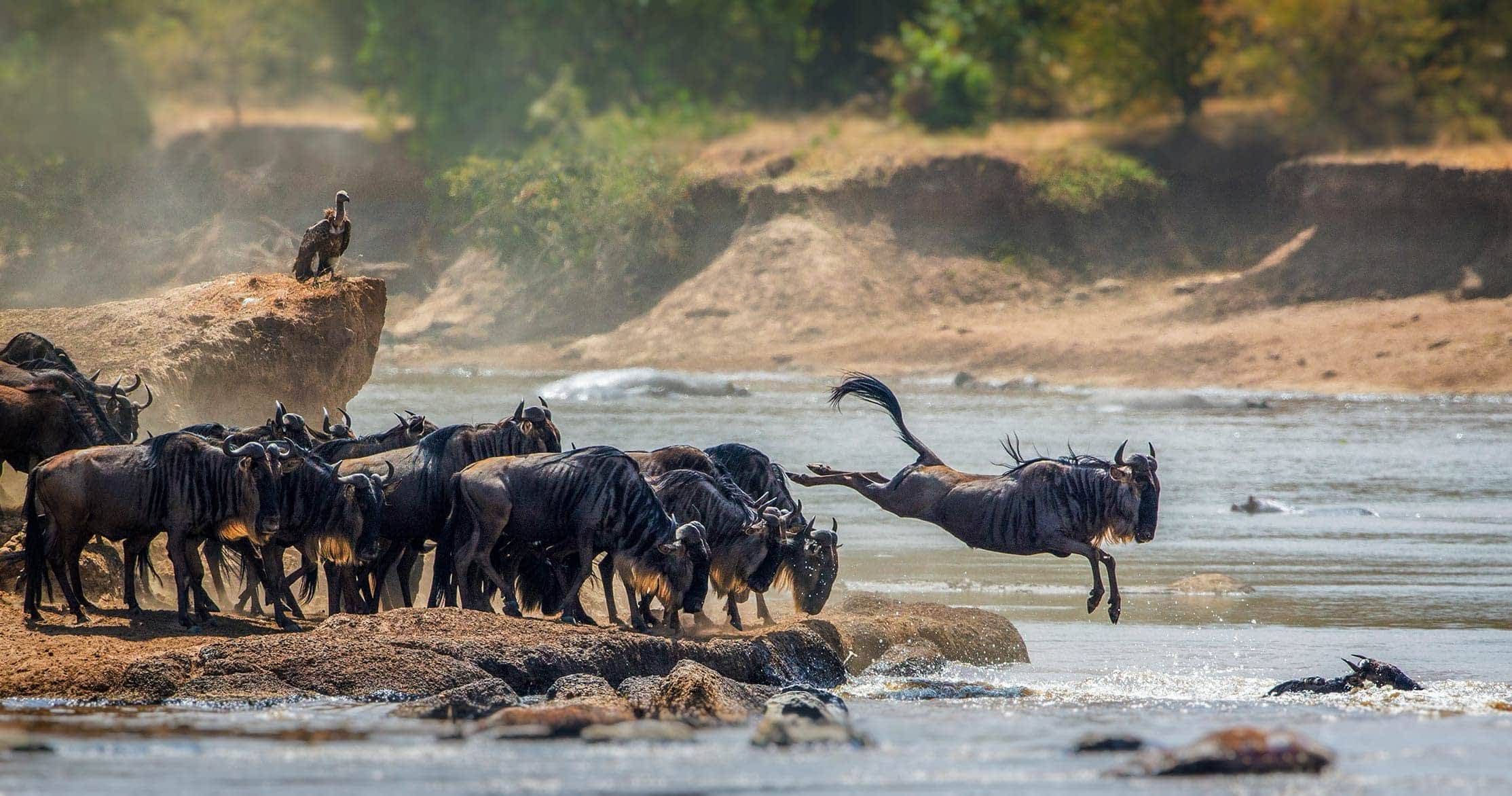
The Great Migration is a yearly event where 1.5 million wildebeest, zebras, gazelles, and other ungulates gather into one enormous herd and traverse the national park in pursuit of greener pastures.
Seronera River Circuit
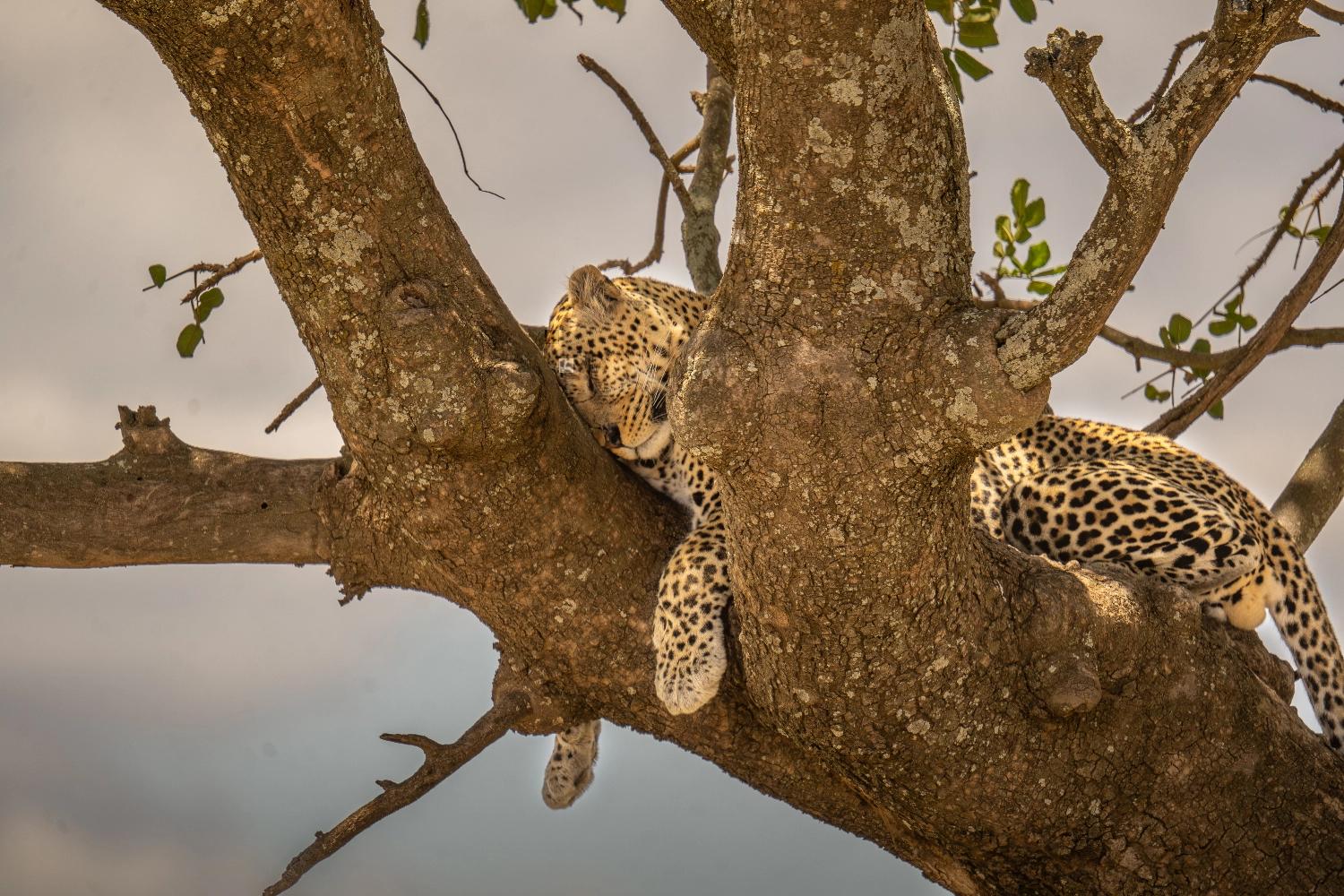
This route follows the Seronera River, known for its high density of predators, especially lions and leopards.
Retina Hippo Pool
A popular spot to observe hippos in large numbers.
Makoma Hill
A good area for spotting large herds of buffalo and elephants.
Moru Kopjes
Rocky outcrops that are a favorite lounging spot for lions and cheetahs.
About Serengeti National Park
The Serengeti National Park is one of the most famous wildlife reserves in the world, known for its annual Great Migration. Each year, over a million wildebeest and hundreds of thousands of zebras and gazelles traverse its plains in search of fresh grazing. The park's vast landscapes are home to an incredible variety of wildlife, including lions, cheetahs, leopards, and elephants. The Serengeti offers some of the best game viewing opportunities in Africa.
Visitors can enjoy game drives, balloon safaris, and guided walks. The park's diverse habitats include grasslands, riverine forests, and kopjes, providing a haven for different species. Accommodation ranges from luxury lodges to mobile camps that follow the migration. The best time to visit depends on the migration's location, with the calving season from January to March and the river crossings from June to October being highlights.
When to Visit
Climate
The Serengeti National Park experiences a tropical, generally temperate climate with average daily temperatures ranging from to due to high altitude. It has a distinct wet season (November–April) and a dry season (May–October), with rainfall increasing towards the north and west
While the Serengeti offers remarkable experiences year-round, the timing of your visit can greatly enhance your safari adventure.\n\nFor wildlife enthusiasts seeking the drama of the Great Wildebeest Migration, the dry season from June to September offers unparalleled opportunities to witness the epic river crossings and dramatic predator-prey interactions.
During this time, the migrating herds congregate in the northern Serengeti, providing thrilling game viewing experiences.
Peak Season
June to September
Wet Season
November to May
Activities & Experiences
Where to Stay
Some random place
campsite
Resident Species